
Physician-Guided Weight Management
Medical Weight Loss in Lenexa
Build a medically guided weight-management plan around your health, goals, lifestyle, lab results, and individual response with support from the Physician Aesthetic Specialists team.
Quick Overview
Treatment at a Glance
More Than a Number on the Scale
A Medical Approach to Sustainable Weight Management
Weight management is influenced by more than willpower alone. Appetite regulation, metabolism, medications, sleep, activity, hormonal factors, health conditions, nutrition, and genetics can all influence progress.
At Physician Aesthetic Specialists, medical weight loss begins with understanding your health and goals. Your plan may include nutrition and lifestyle coaching, laboratory evaluation, ongoing monitoring, and prescription medication when medically appropriate.
The goal is not simply short-term weight reduction. We want to help you develop a strategy that supports progress while building habits that can be maintained over time.

Your Treatment Plan
What Can Medical Weight Loss Include?
Your program is based on your health history, goals, lab findings, response, and the level of support you need.
Medical Evaluation
Review your health history, medications, previous weight-loss attempts, symptoms, and individual goals.
Lab Testing
Lab work may be recommended when it can help identify health factors relevant to treatment planning.
Nutrition Guidance
Develop realistic eating habits that support your treatment plan without requiring a branded food program.
Lifestyle Coaching
Address activity, sleep, routines, and other habits that can influence long-term weight management.
Prescription Options
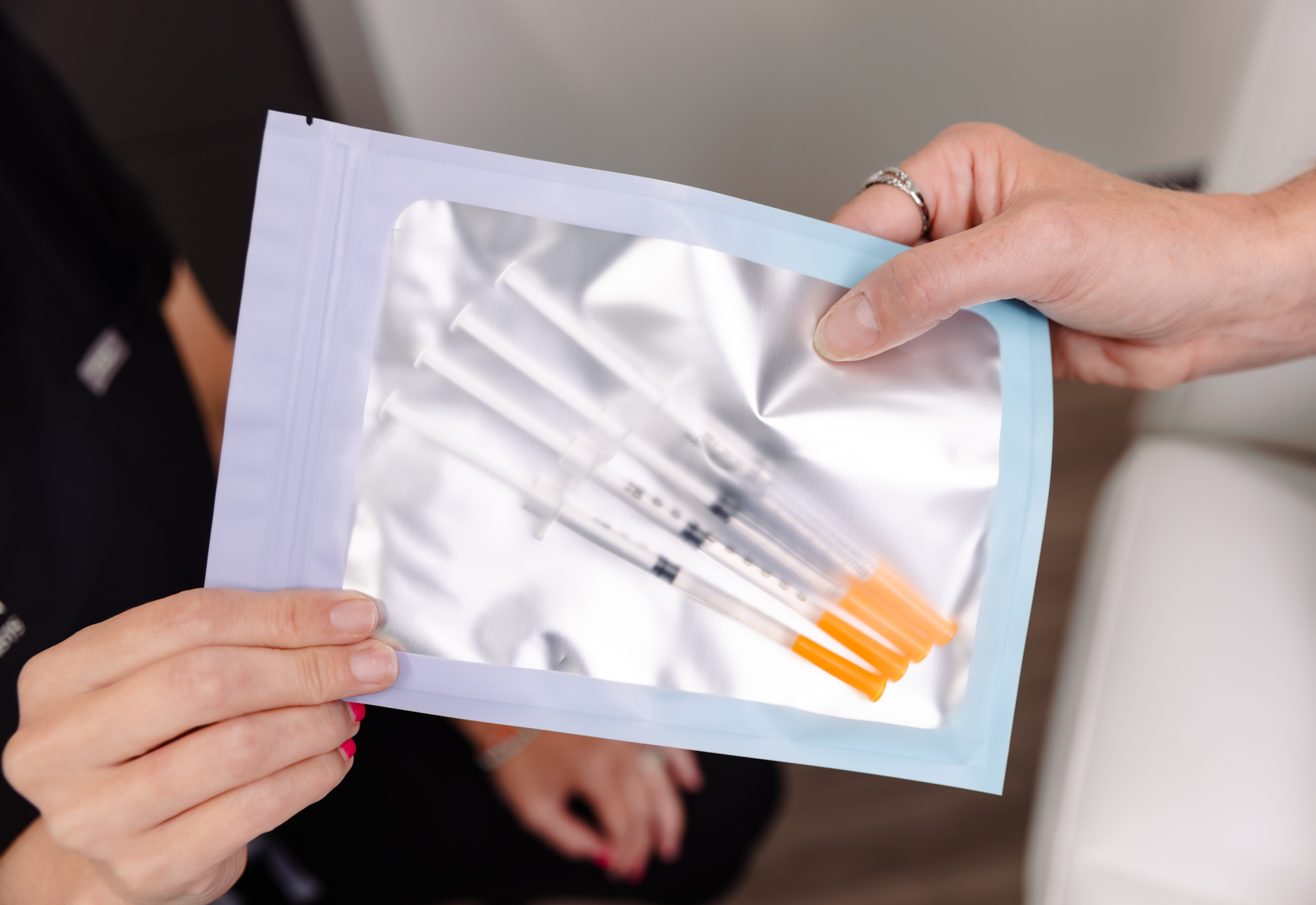
Medication such as GLP-1-based therapy may be considered when clinically appropriate for the individual patient.
Ongoing Monitoring
Track progress, tolerance, changing health needs, and whether adjustments to the treatment plan are appropriate.
How It Works
Start With Your Health, Then Build the Plan
There is no single medical weight-loss plan that is right for everyone. Treatment begins by understanding where you are starting, what has and has not worked previously, and whether medical factors may be affecting progress.
Your plan can then be adjusted as your weight, appetite, lab values, medications, health, and goals change over time.
Evaluate
Review your health history, weight history, current medications, lifestyle, and goals.
Personalize
Create an individualized combination of medical, nutritional, behavioral, and lifestyle support.
Monitor
Review progress and make treatment adjustments as your body and health needs change.
What to Expect
Your Medical Weight Loss Experience
Medical weight management is an ongoing process rather than a single treatment session. Your care plan can evolve as your needs and progress change.
Initial Evaluation
Discuss your health history, goals, prior weight-loss efforts, medications, symptoms, and lifestyle.
Active Treatment
Follow your personalized plan with nutrition, lifestyle support, monitoring, and medication when clinically appropriate.
Maintenance
As your goals and health change, your provider can help determine the appropriate long-term strategy for maintaining progress.
Why PAS
Weight Management With Medical Oversight
Weight changes can interact with blood sugar regulation, medications, hormones, cardiovascular health, nutritional status, previous bariatric surgery, and other medical factors.
At Physician Aesthetic Specialists, the goal is to understand those factors before deciding which tools belong in your plan.
Health and medication review
Lab evaluation when clinically appropriate
Individualized medication and lifestyle planning
Ongoing monitoring and long-term strategy
Frequently Asked Questions
Medical Weight Loss FAQs
Will I need to buy special foods?
No special branded food program is required. Your plan may include changes to portion sizes, food choices, protein intake, fruits and vegetables, meal patterns, and other nutrition habits based on your individual needs and goals.
How will I know which treatments are right for me?
Your provider will review your health history, weight history, medications, symptoms, lifestyle, and goals. Lab testing may also be recommended. That information helps determine which combination of lifestyle support, medication, and other services makes sense for your situation.
What is the difference between semaglutide and tirzepatide?
Both are medications that may be used in medical weight-management care when clinically appropriate. Semaglutide acts at GLP-1 receptors, while tirzepatide acts at both GIP and GLP-1 receptors. They differ in how they work, dosing, indications, side-effect profiles, and how individual patients respond. Your provider can help determine which option, if either, is appropriate.
Do I have to take semaglutide forever?
Not necessarily, but there is no single treatment duration that is right for everyone. Some patients may remain on medication longer than others depending on their health, response, goals, and risk of weight regain. Do not stop or reduce a prescription medication without discussing it with your prescribing clinician.
Why has my weight loss plateaued?
Plateaus are common. As body weight changes, calorie needs, appetite, activity, metabolism, medication response, sleep, stress, and other factors can also change. A plateau is an opportunity to reassess the plan rather than assume that you have failed.
Can I participate after bariatric surgery?
Some people who have previously had bariatric surgery may benefit from additional medical weight-management support. Eligibility depends on your surgical history, nutritional status, current medications, lab results, weight pattern, and overall health. An evaluation is important before treatment begins.
When should I consider body contouring?
Body contouring is generally easier to plan when your weight is relatively stable. Significant weight changes after treatments such as Emsculpt NEO can alter the appearance of the treated area, so your PAS provider can help determine the best timing.
Can hormone therapy help with weight management?
Hormonal changes can influence symptoms, body composition, energy, and metabolism in some patients. Hormone therapy is not a primary weight-loss treatment and should only be used when medically indicated after appropriate evaluation. If a hormonal issue is identified, your provider can discuss whether addressing it belongs in your broader wellness plan.
Ready to Get Started?
Build a Weight Management Plan Around You
Contact Physician Aesthetic Specialists to discuss your health, goals, previous weight-loss experience, and whether medical weight management may be appropriate for you.