
Personalized Longevity & Wellness
Peptide Therapy in Lenexa
Explore individualized peptide therapy selected according to your health history, wellness goals, clinical needs, and the specific peptide being considered.
Quick Overview
Treatment at a Glance
Peptide protocols, treatment frequency, administration method, and expected duration vary according to the specific peptide, individual health needs, and treatment plan.
Understanding Peptides
Small Molecules With Specific Biological Roles
Peptides are short chains of amino acids that act as signaling molecules throughout the body. Different peptides interact with different receptors and biological processes, which is why peptide therapy is not a single treatment.
At Physician Aesthetic Specialists, the first step is determining what you are hoping to address and whether a particular peptide therapy may be appropriate for you.
Your provider considers your medical history, current medications, symptoms, goals, and the specific peptide before developing a treatment plan.

Personalized Treatment
Why Peptide Therapy Is Not One-Size-Fits-All
Different peptides have different targets, administration methods, dosing schedules, safety considerations, and intended uses.
Your Goals
Treatment begins by identifying what you are hoping to address rather than selecting a peptide first.
Health History
Medical conditions, medications, supplements, allergies, and previous treatments can influence whether a therapy is appropriate.
Peptide Selection
Each peptide has a different biological target, so selection should match the reason treatment is being considered.
Delivery Method
Depending on the treatment, peptide therapy may use an injection, IV administration, or another appropriate route.
Treatment Schedule
Frequency can vary from short treatment cycles to ongoing protocols depending on the peptide and individual plan.
Monitoring
Your provider can assess response, tolerance, and whether the treatment plan should continue or be adjusted.
How Peptide Therapy Works
Match the Peptide to the Purpose
Peptides interact with specific receptors and signaling pathways. Because each peptide can have a different role, there is no universal peptide protocol that produces the same effect for every patient.
The treatment process starts with identifying your goals and evaluating whether peptide therapy is an appropriate tool for addressing them.
Evaluate
Discuss your health history, symptoms, medications, supplements, and wellness goals.
Select
Your provider determines whether a specific peptide and delivery method may fit your plan.
Monitor
Follow-up helps assess response, tolerance, and whether continued treatment makes sense.
Ongoing Treatment
How Often Is Peptide Therapy Used?
The OG PAS treatment guidance lists peptide therapy as an ongoing treatment, but frequency varies considerably.
Some protocols may involve frequent administration for a defined period, while others may use less frequent treatment or periodic cycles. Your schedule depends on the peptide, your treatment goals, your response, and your provider’s recommendations.
Continued therapy should be reassessed rather than automatically continued indefinitely.
What to Expect
Your Peptide Therapy Experience
The exact experience depends on the peptide, delivery method, and individualized treatment plan.
Before Treatment
Your provider reviews your health history, current medications, supplements, concerns, and treatment goals.
During Treatment
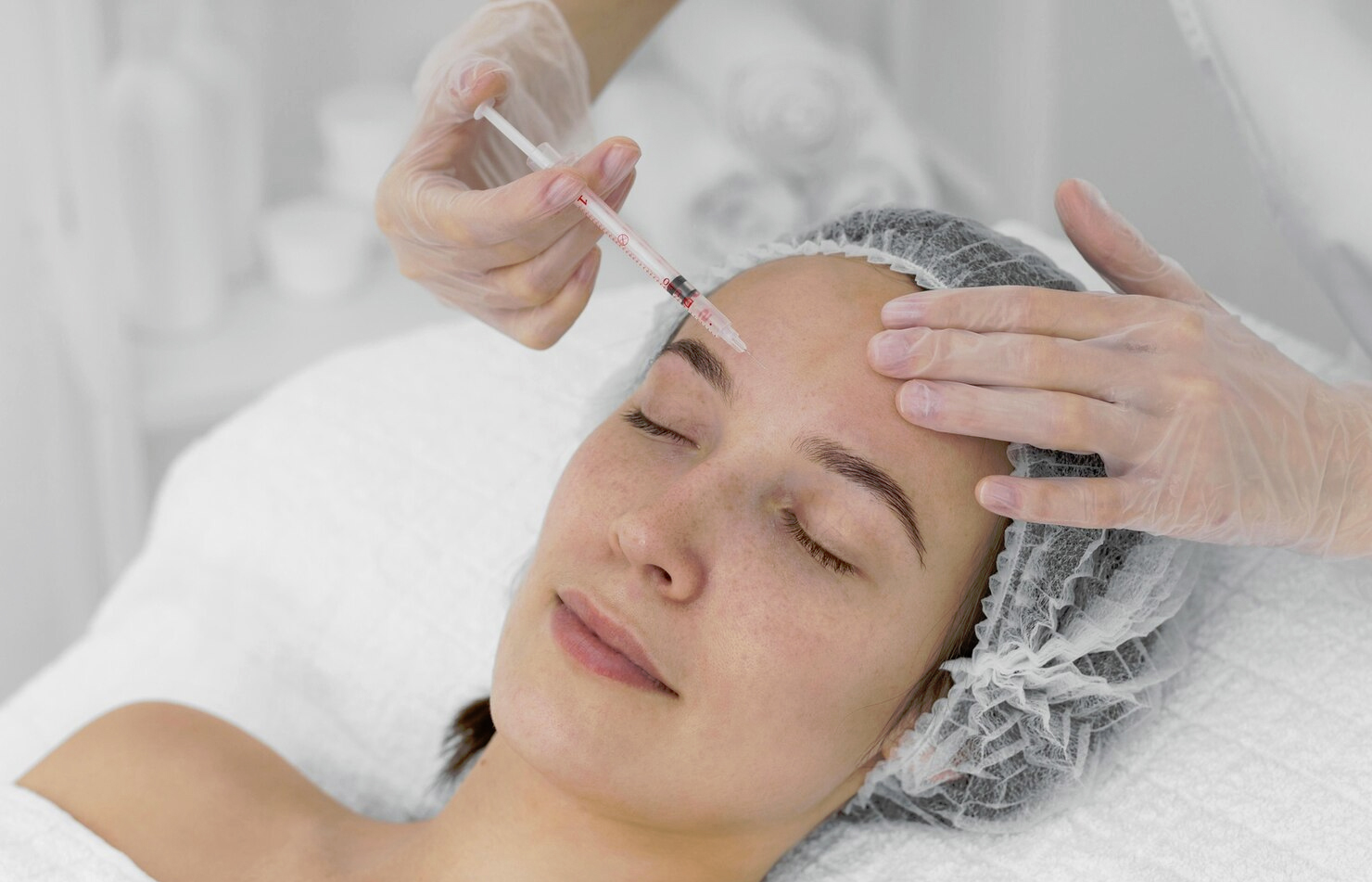
Treatment may involve an injection or IV infusion depending on the selected peptide and protocol.
After Treatment
Most treatment plans do not require planned downtime, although temporary injection-site discomfort or other side effects may occur.
Why PAS
Peptide Therapy With Individualized Medical Oversight
The term peptide therapy covers many different compounds, so treatment should not begin with a generic list of benefits. The specific peptide, intended purpose, health history, and potential risks all matter.
Physician Aesthetic Specialists develops treatment around the individual patient and reassesses therapy based on response and changing health needs.
Individual medical consultation
Peptide-specific treatment selection
Personalized route and treatment schedule
Ongoing monitoring and reassessment
Frequently Asked Questions
Peptide Therapy FAQs
Should I use IV therapy or injections for peptide therapy?
The best route depends on the specific peptide and treatment protocol, not only personal preference. Some peptides are well suited to injection-based protocols, while certain treatments may be administered through an IV. Injections are generally quicker, while IV treatments require a longer appointment. Your provider can recommend the appropriate route for the peptide being considered.
How does peptide therapy work?
Peptides are short chains of amino acids that can act as signaling molecules in the body. Different peptides interact with different biological pathways, so their effects and uses vary considerably. Your provider selects treatment according to the specific peptide and clinical goal rather than treating peptide therapy as one universal treatment.
How long do peptide therapy results last?
There is no single duration that applies to all peptide therapies. Results can depend on the specific peptide, treatment duration, dosing schedule, individual response, and reason for treatment. The OG PAS guidance lists duration as variable, which is the most accurate way to describe peptide therapy as a category.
What happens during the peptide therapy consultation?
Your provider reviews your medical history, current medications and supplements, symptoms, previous treatments, and what you hope to accomplish. The consultation helps determine whether peptide therapy is appropriate and, if so, which specific treatment and delivery method should be considered.
Does peptide therapy hurt?
Most injection-based or IV-based peptide treatments involve the same type of brief needle discomfort you might experience with another injection or IV. Temporary tenderness, redness, or bruising can occur around the treatment site.
Are there side effects from peptide therapy?
Side effects depend on the specific peptide, dose, route of administration, and individual patient. Injection-site redness, tenderness, bruising, or other temporary symptoms may occur. Some peptides can have additional treatment-specific risks, which your provider should review with you before therapy begins.
How many peptide treatments will I need?
The OG PAS guidance describes peptide therapy as ongoing, but there is no universal schedule. Some protocols may use treatments weekly, others less frequently, and some may involve defined treatment cycles. Your provider determines the schedule according to the specific peptide, your response, and your treatment goals.
How long does it take to notice results?
The timeline depends heavily on the peptide and the reason it is being used. Some changes may be noticed within weeks, while other treatment goals may require a longer period of consistent therapy. Your provider can give you expectations specific to the peptide in your treatment plan.
How should I prepare for peptide therapy?
Preparation is generally straightforward. Be prepared to discuss your health history, medications, supplements, allergies, and goals. If you are receiving an injection or IV treatment, wear comfortable clothing that allows easy access to the treatment area. Your provider will give you any peptide-specific preparation instructions.
Part of Your Longevity Plan
Explore the Full PAS Longevity Program
Peptide therapy can be considered alongside hormone care, IV therapy, VSEL regenerative medicine, supplements, and other physician-guided wellness services.
Ready to Learn More?
Build a Peptide Treatment Plan Around Your Goals
Contact Physician Aesthetic Specialists to discuss your health, goals, current treatments, and whether peptide therapy may be appropriate for you.