
Personalized Men’s Hormone Care
Testosterone Replacement Therapy in Lenexa
Explore physician-guided testosterone replacement therapy based on your symptoms, medical history, laboratory findings, and individual wellness goals.
Quick Overview
Treatment at a Glance
Understanding Low Testosterone
Your Symptoms Are Only Part of the Picture
Testosterone influences sexual function, muscle mass, bone health, red blood cell production, body composition, energy, and other physiological processes.
Symptoms sometimes associated with low testosterone can also have other causes. Fatigue, reduced libido, changes in strength, difficulty concentrating, sleep problems, and changes in mood should therefore be evaluated in the context of your overall health.
At Physician Aesthetic Specialists, testosterone replacement therapy begins with a private medical evaluation and appropriate laboratory testing rather than treating symptoms alone.

When to Consider an Evaluation
Symptoms That May Be Worth Discussing
These symptoms do not automatically mean your testosterone is low. Laboratory testing and clinical evaluation are needed to determine whether testosterone deficiency is present.
Lower Energy
Persistent fatigue or a noticeable reduction in usual energy may be one reason to discuss hormone testing.
Changes in Libido
Reduced sexual desire or changes in sexual function can sometimes occur alongside testosterone deficiency.
Muscle Changes
Some patients notice changes in muscle mass, strength, or recovery that prompt further evaluation.
Body Composition
Changes in body-fat distribution or lean mass may be relevant when considered alongside other symptoms.
Mood & Motivation
Changes in mood, motivation, or overall sense of well-being may have many causes, including hormonal ones.
Focus & Concentration
Difficulty concentrating or feeling mentally sharp may be worth discussing as part of a broader health evaluation.
How TRT Works
Diagnosis First, Treatment Second
Testosterone replacement therapy is intended for patients whose clinical evaluation and laboratory results support a diagnosis of testosterone deficiency and who are appropriate candidates for treatment.
Your treatment plan is based on more than a single testosterone number. Symptoms, laboratory values, health history, medications, risk factors, fertility considerations, and treatment goals all matter.
Discuss
Review your symptoms, medical history, medications, sexual health, lifestyle, and goals.
Test
Complete appropriate laboratory testing to assess testosterone and other biomarkers relevant to your health.
Personalize
If TRT is medically appropriate, your provider develops a treatment and monitoring strategy based on your individual needs.
Beyond Sexual Health
Testosterone, Muscle, and Bone Health
Testosterone contributes to several body systems beyond libido and sexual function.
Muscle Mass
Testosterone contributes to the maintenance of lean muscle mass and normal muscle function.
Bone Density
Adequate testosterone is important for maintaining bone health, particularly as men age.
Body Composition
Testosterone can influence the relationship between lean mass and body-fat distribution.
Physical Function
When true testosterone deficiency is appropriately treated, some patients may experience improvements in symptoms affecting physical function.
Bioidentical Hormone Therapy
Understanding Hormone Pellet Therapy
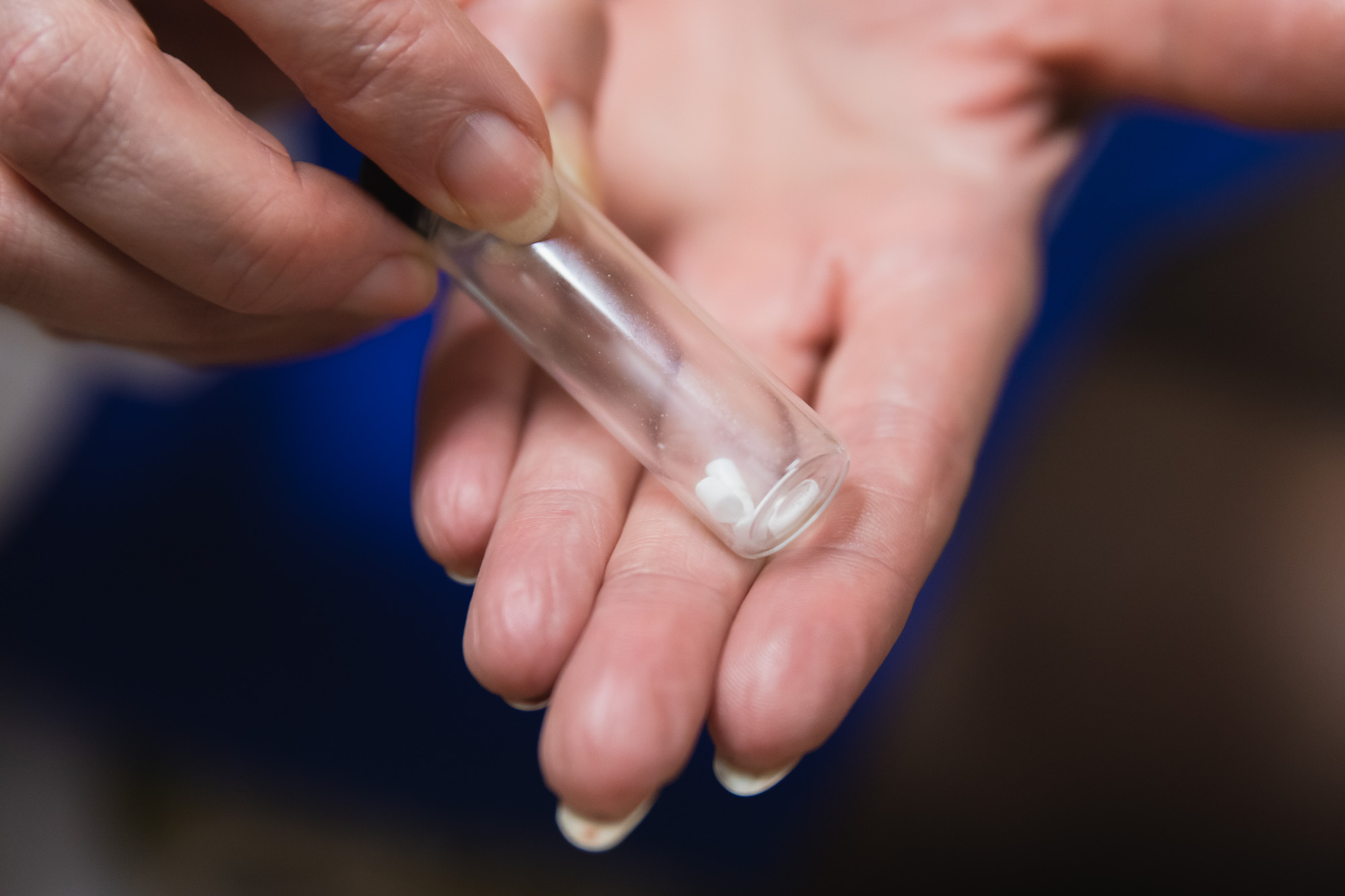
PAS may use bioidentical hormone pellets as one delivery option for testosterone replacement therapy. Bioidentical refers to hormones that are chemically identical to hormones produced by the human body.
Pellets are placed beneath the skin and designed to release hormone gradually over time. They can reduce the need for daily dosing, but they are not automatically the best delivery method for every patient.
Your provider can discuss pellet therapy along with its benefits, limitations, potential risks, and appropriate alternatives before treatment.
What to Expect
Your TRT Experience
Testosterone replacement therapy requires ongoing evaluation and monitoring rather than a one-time treatment.
Before Treatment
Your provider reviews symptoms, health history, medications, laboratory testing, and relevant risk factors before recommending TRT.
During Treatment
If pellet therapy is selected, placement is performed during a brief in-office procedure followed by specific aftercare instructions.
Ongoing Monitoring
Follow-up appointments and laboratory testing help your provider evaluate symptom response, hormone levels, and treatment safety.
Why PAS
TRT With Medical Oversight
Testosterone therapy should not be based on age, symptoms, or a desire to improve performance alone. Proper diagnosis, laboratory testing, medical history, and follow-up matter.
At Physician Aesthetic Specialists, treatment is personalized and monitored so decisions can be adjusted as your laboratory values, symptoms, health, and goals change.
Private symptom and health evaluation
Laboratory-guided diagnosis and treatment
Individualized dosing and delivery strategy
Ongoing laboratory and symptom monitoring
Frequently Asked Questions
Testosterone Replacement Therapy FAQs
How do I know if testosterone replacement therapy is right for me?
You do not need to know whether TRT is right for you before scheduling an evaluation. Your provider reviews your symptoms, health history, medications, risk factors, and goals, then orders appropriate laboratory testing. TRT may be considered when your clinical evaluation and test results support testosterone deficiency and treatment is medically appropriate.
Do you only evaluate testosterone?
No. Testosterone is part of a larger hormonal system. Depending on your symptoms and medical history, your provider may also evaluate estradiol, luteinizing hormone, follicle-stimulating hormone, and other relevant biomarkers. These results can help determine why testosterone is low and guide treatment decisions.
What is bioidentical hormone replacement therapy?
Bioidentical hormones are chemically identical to hormones produced naturally by the human body. PAS may use bioidentical testosterone as part of an individualized treatment plan. The term bioidentical does not mean that a treatment is risk-free, so the same careful evaluation and monitoring still apply.
Are there side effects from TRT?
Yes, side effects are possible. Depending on the patient and treatment, these may include acne or oily skin, fluid retention, changes in mood, changes in red blood cell levels, breast symptoms, changes in fertility, or other effects. Your provider will review the risks that apply to you and monitor for relevant changes during treatment.
Can TRT help with muscle and bone health?
Testosterone contributes to normal muscle mass and bone health. In men with confirmed testosterone deficiency, appropriate treatment may help address some symptoms associated with low testosterone. TRT is not a substitute for strength training, appropriate nutrition, or other medical care needed to protect muscle and bone health.
Can low testosterone affect mood and concentration?
Low testosterone can occur alongside changes in mood, energy, motivation, and concentration in some patients. However, these symptoms can also result from sleep problems, stress, depression, medications, medical conditions, and many other causes. A medical evaluation helps determine what may be contributing.
Does TRT affect fertility?
Yes. Testosterone replacement can reduce the body’s own testosterone and sperm production, which may affect fertility. Tell your provider if maintaining or pursuing fertility is important to you before starting treatment so this can be considered in your plan.
How long will I need testosterone replacement therapy?
The OG PAS treatment guidance describes TRT results as ongoing, and the appropriate treatment duration varies by patient. TRT is commonly managed as an ongoing medical therapy when it remains beneficial, appropriate, and well tolerated. Your provider will continue to reassess whether treatment should be continued or adjusted.
Ready to Learn More?
Find Out Whether TRT Is Appropriate for You
Contact Physician Aesthetic Specialists to discuss your symptoms, laboratory evaluation, health history, and whether testosterone replacement therapy may fit your treatment goals.